
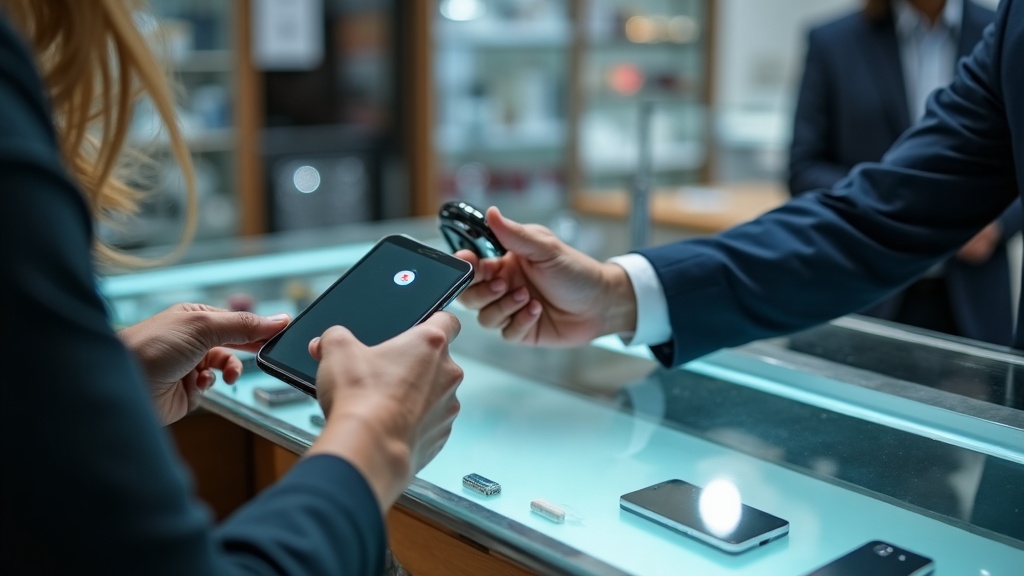
If you walk into a pawn shop with an Android phone, one of the first questions you’ll hear is: “Is it unlocked or carrier-locked?” That single detail can meaningfully change the offer you receive. Understanding why — and what else affects your phone’s pawn value — puts you in a much stronger position before you ever step through the door.
What Does “Unlocked” Actually Mean?
A phone’s lock status describes whether it can operate on any cellular carrier or only the one it was originally purchased through. An unlocked phone has no carrier restrictions — it works with any SIM card from any provider, whether that’s T-Mobile, AT&T, Verizon, or an international network. A carrier-locked phone is tied to one specific network and will refuse to connect to other carriers until it’s officially unlocked by the original carrier.
Phones become locked in a few different ways. They may have been purchased on an installment plan (where the carrier retains control until it’s paid off), subsidized at a discounted price, or simply sold as locked by default. Once a device is fully paid off and meets the carrier’s requirements, most providers will unlock it upon request — but that process takes time and isn’t always guaranteed.
Why Pawn Shops Care About Lock Status
Pawn shops price items based on resale potential. An unlocked phone can be sold to virtually any buyer regardless of which carrier they use, making it far more marketable. A carrier-locked device has a narrower audience — only buyers on that same network will find it useful right away.
Think of it from a resale standpoint: if a pawn shop can only sell a phone to, say, AT&T customers, they’ve immediately cut out everyone on Verizon, T-Mobile, and the dozens of smaller prepaid networks. That reduced demand translates directly into a lower offer. It’s not a penalty — it’s simple market logic.
Unlocked Android phones typically command meaningfully higher offers at pawn shops for exactly this reason. If your phone is still locked to a carrier and you have time before you need cash, it may be worth contacting your carrier first to request an unlock — assuming you meet their eligibility requirements.
How to Check If Your Android Phone Is Unlocked
You don’t need to guess. Here are the most reliable ways to check lock status before bringing your phone in:
- Insert a different carrier’s SIM card. If the phone connects and makes calls normally, it’s unlocked. If it shows an error or prompts for an unlock code, it’s locked.
- Check Settings. On most Android devices, go to Settings > Connections > Mobile Networks > Network Operators. If your phone searches for and lists multiple networks, that’s a good sign it’s unlocked.
- Contact your carrier directly. Carriers can confirm lock status instantly if you provide your phone’s IMEI number (found under Settings > About Phone > Status).
- Use an IMEI checker. Several reputable online services allow you to enter your IMEI and retrieve lock status, though results vary by tool and carrier.
Unlocked vs Carrier-Locked: A Direct Comparison
Here’s how these two phone types stack up across the factors that matter most at a pawn shop:
| Factor | Unlocked Android Phone | Carrier-Locked Android Phone |
|---|---|---|
| Resale audience | All carriers and networks | One carrier’s customers only |
| Pawn / resale value | Higher | Lower |
| International usability | Yes (with compatible SIM) | Generally no |
| Can be unlocked later? | Already unlocked | Possibly, if account is in good standing |
| Risk of blacklist issues | Lower (no carrier contract ties) | Higher if still on a payment plan |
| Best for pawn? | Yes | Possible, but expect reduced offer |
Other Factors That Affect Your Android Phone’s Pawn Value
Lock status is important, but it’s just one piece of the puzzle. When you bring an Android phone in to pawn your Android phone at Conduit Pawn Shop, the full picture of the device is assessed. Here’s what else matters:
1. Blacklist / IMEI Status
A phone that has been reported stolen, lost, or has an unpaid balance on a carrier installment plan will show up as blacklisted. Blacklisted phones cannot be activated on any major US carrier, which makes them essentially unsellable in the domestic market. A pawn shop will always check the IMEI before making an offer, and a blacklisted device will typically receive a zero or near-zero valuation.
This is arguably the single most important factor after lock status. Before you bring your phone in, you can check IMEI status yourself using free tools online — knowing ahead of time prevents surprises.
2. Physical Condition
Cracked screens, damaged charging ports, malfunctioning buttons, and deep scratches all reduce value. A phone in excellent cosmetic condition signals that it was well cared for and is likely in good working order. Bring any original accessories you still have — the original charger and cable can make a small but positive difference.
3. Functionality
A phone that powers on, holds a charge, connects to Wi-Fi, and works through all its core functions will always be valued higher than one with software glitches, boot loops, or camera failures. If something’s not working, be upfront — pawn shops assess items thoroughly, and transparency builds trust and often leads to a fairer conversation about value.
4. Storage Capacity and Model Tier
Higher storage variants (256GB vs 64GB, for example) are worth more. Flagship models from Samsung’s Galaxy S and Z series, Google Pixel, and OnePlus tend to hold their value significantly better than budget or mid-range models. The release cycle matters too — a phone that’s one generation old retains reasonable value; a five-year-old mid-ranger is near the end of its useful resale life.
5. Manufacturer Software Support
Android phones receive security and OS updates for a defined period — typically three to five years for flagship devices, less for budget models. Phones that are still within their support window are more desirable because buyers can use them safely and update to current software. A phone that’s no longer receiving updates is a harder sell, which affects pawn offers accordingly.
6. Accessories and Original Packaging
Original box, documentation, and accessories don’t dramatically change the offer, but they contribute to the overall impression that the phone was well-maintained. If you have them, bring them.
Should You Unlock Your Phone Before Pawning It?
If your phone is eligible for unlocking and you have a few days before you need the cash, the answer is generally yes. Here’s a quick checklist to determine if unlocking makes sense:
- Your device is fully paid off (no remaining balance on an installment plan)
- Your account with the carrier is in good standing
- You’ve met any minimum active service period the carrier requires (usually 40–60 days)
- The phone has not been reported lost or stolen
If all of those apply, contact your carrier, submit the unlock request, and wait for confirmation — usually within a few business days. Arriving at the pawn shop with a confirmed unlocked device puts you in a far better negotiating position.
If your phone is still under a payment plan, do not try to fraudulently claim it’s paid off. Pawn shops run IMEI checks and will catch discrepancies — and attempting to pawn a phone with an outstanding balance can create serious legal problems.
Pawning vs Selling: Which Makes More Sense for Your Android Phone?
It’s worth understanding the difference before you visit. Pawning means you’re taking a short-term loan using your phone as collateral — you get cash now and can reclaim the phone later by repaying the loan plus fees within the agreed term. Selling means you’re transferring ownership outright for an immediate cash payment, no strings attached.
If you need quick cash but want your phone back, pawning is the right choice. If you’ve upgraded to a new device and have no need for the old one, selling it outright will typically net you more cash overall. Our cash credit loans page explains how the loan process works in detail if you want to understand the terms before coming in.
What to Bring When You Come In
To get the most accurate and highest possible offer on your Android phone, come prepared:
- A valid government-issued photo ID — required by law for all pawn transactions
- The phone itself, powered on and charged
- Your passcode or PIN — staff need to verify full functionality, so the screen must be accessible
- Original charger and accessories, if available
- Original box or documentation, if you still have it
- Confirmation of unlock status — a screenshot of your carrier’s unlock confirmation email is helpful
Removing your Google account (Factory Reset Protection) before arriving is also strongly recommended. An active FRP lock makes the device unusable for the next owner and will significantly reduce — or eliminate — any offer.
The Bigger Picture: Phones Are Just One Option
While phones are among the most commonly pawned electronics, Conduit Pawn Shop works with a wide range of valuables. If you’re weighing options, it’s worth knowing that items like luxury watches often yield strong pawn values relative to their size and portability — something to keep in mind if you have multiple assets available.
Whether it’s electronics, jewelry, or something else entirely, the same principles apply: condition, authenticity, and marketability drive every offer.
Ready to Get an Offer?
Understanding the difference between unlocked and carrier-locked Android phones gives you a real advantage when it’s time to pawn. The short version: unlocked phones in good condition, with a clean IMEI and no FRP lock, consistently receive the strongest offers. Take the time to check your phone’s status, remove your accounts, and gather your accessories — it takes maybe twenty minutes and can meaningfully improve the number you walk out with.
When you’re ready, find Conduit Pawn Shop on Google Maps and stop by for a no-obligation appraisal. There’s no pressure — just a straightforward, honest assessment of what your device is worth.
Related Posts
Learn why handheld consoles pawn differently than home systems in Queens, from wear patterns to accessory needs, so you know what to expect before you visit.
Why Handheld Consoles Pawn Differently Than Home Systems in Queens
Learn how bundled accessories affect pawn offers for drones in Queens, from controllers and batteries to cases, so you can get a fairer appraisal.
How Bundled Accessories Affect Pawn Offers for Drones in Queens
Learn how weather sealing impacts a camera’s pawn value in Queens, what appraisers check, and how to protect your gear’s worth before you pawn it.
How Weather Sealing Affects a Camera’s Pawn Value in Queens
Learn how Factory Reset Protection affects Android phone pawn eligibility and the steps to clear it before bringing your device to a pawn shop.
How Factory Reset Protection Affects an Android Phone’s Pawn Eligibility
Do pawn shops buy iPhones? Yes — learn how trade-in credit compares to cash from pawning an older iPhone, and which option fits your needs best.
Do Pawn Shops Buy iPhones? Trade-In Programs vs. Pawning Compared
Learn why a pawn shop that buys luxury watches offers more for pieces with original boxes and papers, plus tips if you no longer have the documentation.
Why Original Boxes and Papers Matter for a Luxury Watch’s Pawn Value
Thinking about luxury jewelry pawn Miami FL and Queens options? Learn how brand reputation really affects your designer jewelry’s pawn value and offer.
How Brand Reputation Affects Pawn Value for Designer Jewelry
Learn how scrap gold weight is calculated after removing gemstones in Queens, including stone deductions, purity testing, and how final offers are determined.
How Scrap Gold Weight Is Calculated After Removing Gemstones in Queens
Can you pawn lab grown diamonds? Learn how cut, color, clarity, and carat weight shape your loan offer at Queens pawn shops before you walk in.
Can You Pawn Lab Grown Diamonds? How the Four Cs Affect Value
Need cash loans for bad credit in Queens? Learn how pawn loan renewals and extensions work, with no credit check and no impact on your credit score.