
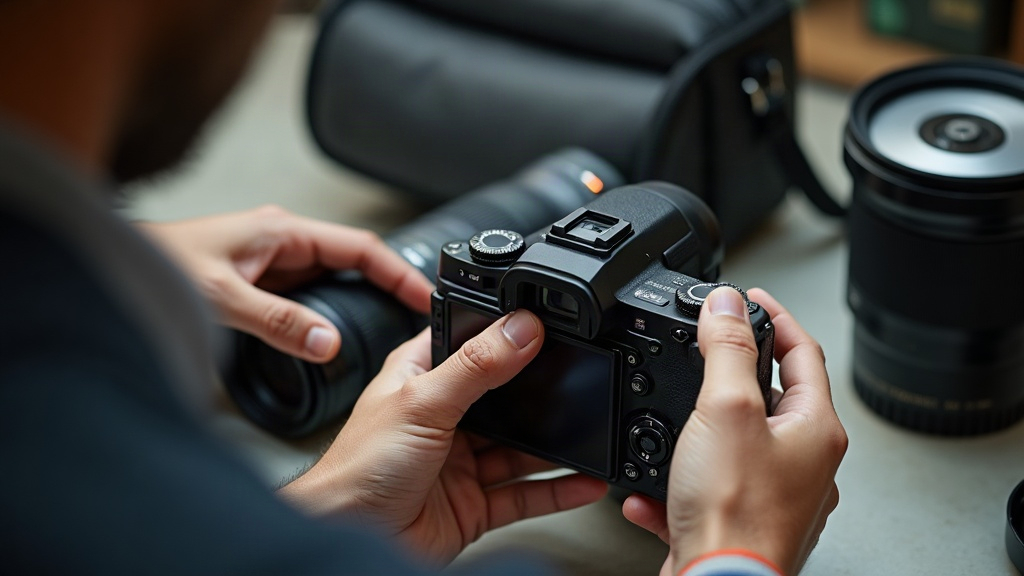
Weather sealing can add real dollars to what a pawn shop offers for your camera — but only if that sealing actually still works. A weather-sealed body or lens that has kept its gaskets intact, shows no corrosion, and still passes a basic moisture-resistance check will appraise noticeably higher than the same model with cracked seals or a history of rough exposure. In Queens, where humid summers, salty coastal air near the Rockaways, and sudden downpours are part of everyday life, that distinction matters more than most camera owners realize.
If you’re planning to pawn a camera, lens, or camcorder in Queens, understanding how weather sealing factors into the appraisal can help you get a fairer number and avoid surprises at the counter. Here’s what actually drives that value up or down.
What Weather Sealing Actually Means for Appraisal Value
Weather sealing refers to the rubber gaskets, seals, and overlapping body panels manufacturers use to keep dust and moisture out of a camera’s internals. It’s common on higher-end mirrorless and DSLR bodies, professional-grade lenses, and some camcorders. Not every camera has it, and not every “weather-resistant” claim means the same level of protection.
From an appraisal standpoint, weather sealing is a value multiplier, not a standalone feature. A sealed body in excellent condition pawns for more than the same unsealed model because buyers expect it to survive more real-world use. But a sealed body with failed seals is often appraised the same as — or lower than — an unsealed one, because a buyer now has to assume the internals may already be compromised.
Why Appraisers Treat It Differently Than Other Features
Megapixels, sensor size, and lens compatibility are easy to verify with a glance at the model number. Weather sealing isn’t. It has to be physically inspected, and its condition can’t be judged from specs alone — two identical camera models can have very different seal integrity depending on how they were stored and used.
- A camera that’s been kept in a dry case retains seal flexibility longer.
- One exposed to repeated humidity or salt air may have brittle or corroded gaskets even if it looks clean externally.
- Seals degrade with age regardless of use, so a ten-year-old weather-sealed body needs closer inspection than a two-year-old one.
How a Pawn Appraisal Actually Checks Weather Sealing
When you bring in a camera or lens, an appraiser isn’t just checking if it powers on. For weather-sealed gear, a few extra checks come into play before a number gets attached to it.
- Gasket inspection: Checking the rubber seals around battery doors, memory card slots, and lens mounts for cracking, shrinkage, or gaps.
- Mount fit: On interchangeable-lens cameras, confirming the lens mount seal still sits flush and doesn’t show wear that would let moisture in.
- Corrosion check: Looking at battery contacts, card slot pins, and internal screws for rust or green corrosion, which signals past moisture intrusion even if the camera currently works.
- Functional test: Powering the unit on, testing autofocus, image stabilization, and buttons to see if moisture has already affected electronics.
- Lens element check: Looking for fogging or haze between lens elements, a common sign that a seal failed at some point and let humidity inside.
None of this requires special lab equipment — it’s a trained visual and functional inspection. But it does mean two cameras of the same model can walk out with different offers depending on what that inspection reveals.
Factors That Raise or Lower the Offer
Weather sealing interacts with several other condition factors. Here’s a breakdown of what tends to help and what tends to hurt the final number.
| Raises Value | Lowers Value |
|---|---|
| Intact, flexible rubber gaskets with no visible cracking | Brittle, shrunken, or torn seals around doors and ports |
| Clean battery and card compartments, no corrosion | Rust or green oxidation on contacts and screws |
| Clear lens elements with no internal haze or fogging | Fungus, fogging, or moisture spots inside the lens |
| Original body caps, port covers, and rubber door flaps present | Missing port covers or battery door flaps, which exposes seals to wear |
| Documented storage in a dry bag or case | Visible salt residue or water staining on the body |
Buyers of secondhand weather-sealed gear are often working photographers or videographers who plan to use these cameras outdoors again — at the beach, on job sites, in unpredictable weather. They pay more for a body they trust will hold up, which is exactly why appraisers weight these details so heavily.
Why This Matters More for Camera Owners in Queens
Queens’ climate isn’t gentle on camera gear. Humid summer months push moisture into seals that aren’t regularly checked, and gear stored near the coast — around the Rockaways, Far Rockaway, or other waterfront areas — faces extra exposure to salt air that accelerates corrosion on metal contacts and mounts.
Cameras used for outdoor shoots, sporting events, or travel photography around the city also take on more dust and moisture cycling than gear that mostly stays indoors. None of that means your camera is automatically devalued — it just means seal condition becomes a bigger factor in what it’s worth today versus what it was worth when new.
Simple Habits That Protect Resale and Pawn Value
- Store cameras and lenses in a dry bag or cabinet with silica gel packs, especially in summer.
- Wipe down gear after any exposure to rain or high humidity before storing it.
- Keep all original port covers, body caps, and battery door flaps attached — missing covers accelerate seal wear.
- Avoid changing lenses in damp or dusty conditions whenever possible.
- Have gear checked periodically if it’s used often outdoors, so seal issues get caught early rather than discovered at appraisal time.
Weather Sealing vs. Other Condition Factors
Weather sealing is one piece of a larger condition picture. Shutter count, sensor cleanliness, cosmetic wear, and whether original accessories are included all factor into a pawn offer too. A camera with excellent seals but a high shutter count and scratched LCD still won’t appraise at the top of its range.
That said, seal condition tends to carry extra weight for cameras marketed specifically on their weather resistance — certain professional mirrorless and DSLR lines, rugged camcorders, and action-oriented lenses. For these models, buyers are specifically paying for durability, so a compromised seal undercuts the core reason someone wants that model secondhand.
What to Bring When You Pawn a Weather-Sealed Camera
A faster, more accurate appraisal usually comes down to what you bring with the camera itself.
- Original box, body caps, and any port covers or rubber flaps that came with it.
- Lens hoods, caps, and any weather-sealed lens filters that were part of the original kit.
- Charger, batteries, and memory card if you’re including them.
- Any purchase receipt or documentation showing the model and purchase date, which helps confirm age and expected seal condition.
Having the full kit doesn’t just speed up the process — it also reassures the appraiser that the gear was cared for as a complete system rather than used hard and stored loosely, which tends to support a stronger offer.
Pawning vs. Selling a Weather-Sealed Camera
If you’re not sure whether to pawn your camera for a short-term loan or sell it outright, weather sealing condition plays into that decision too. A well-sealed camera in strong condition holds collateral value reliably, making it a solid candidate for a pawn loan you can repay and reclaim your gear.
If you’d rather not keep the camera long-term, outright sale may make more sense, especially if you’re not using it often enough to justify the humidity-related upkeep weather sealing requires. Either way, the appraisal process is the same — it’s just the outcome that differs based on what you choose.
For gear that’s still functional but needs a cash option without giving it up, a cash credit loan against the item can be worth exploring alongside a straight pawn, depending on what you need the funds for and how soon you expect to redeem the item.
Bringing Your Camera In for an Honest Look
Weather sealing is one of those details that’s easy to overlook until it’s time to get an appraisal — and by then, small maintenance habits over the years have already shaped what your camera or lens is actually worth. The good news is that none of this is guesswork on your end. A quick visual check of your gaskets, port covers, and lens elements before you head in can give you a realistic sense of what to expect.
If you’re ready to find out what your camera, lens, or camcorder is worth, our team at Conduit Pawn Shop is glad to walk you through the inspection and explain exactly what’s driving the number we offer. You can browse our camera and lens pawn options anytime, check out what other customers have experienced, or stop by and see us in person — you can find directions and hours on our Google Business Profile. Either way, you’ll leave with a clearer picture of your gear’s value, whether today’s the day you pawn it or not.
Related Posts
Learn why handheld consoles pawn differently than home systems in Queens, from wear patterns to accessory needs, so you know what to expect before you visit.
Why Handheld Consoles Pawn Differently Than Home Systems in Queens
Learn how bundled accessories affect pawn offers for drones in Queens, from controllers and batteries to cases, so you can get a fairer appraisal.
How Bundled Accessories Affect Pawn Offers for Drones in Queens
Learn how Factory Reset Protection affects Android phone pawn eligibility and the steps to clear it before bringing your device to a pawn shop.
How Factory Reset Protection Affects an Android Phone’s Pawn Eligibility
Do pawn shops buy iPhones? Yes — learn how trade-in credit compares to cash from pawning an older iPhone, and which option fits your needs best.
Do Pawn Shops Buy iPhones? Trade-In Programs vs. Pawning Compared
Learn why a pawn shop that buys luxury watches offers more for pieces with original boxes and papers, plus tips if you no longer have the documentation.
Why Original Boxes and Papers Matter for a Luxury Watch’s Pawn Value
Thinking about luxury jewelry pawn Miami FL and Queens options? Learn how brand reputation really affects your designer jewelry’s pawn value and offer.
How Brand Reputation Affects Pawn Value for Designer Jewelry
Learn how scrap gold weight is calculated after removing gemstones in Queens, including stone deductions, purity testing, and how final offers are determined.
How Scrap Gold Weight Is Calculated After Removing Gemstones in Queens
Can you pawn lab grown diamonds? Learn how cut, color, clarity, and carat weight shape your loan offer at Queens pawn shops before you walk in.
Can You Pawn Lab Grown Diamonds? How the Four Cs Affect Value
Need cash loans for bad credit in Queens? Learn how pawn loan renewals and extensions work, with no credit check and no impact on your credit score.
How Pawn Loan Renewal and Extension Policies Work in Queens
Still owe on your car? Learn how outstanding auto loans affect cars pawn shops in Queens and whether your equity is enough to qualify for a loan.