
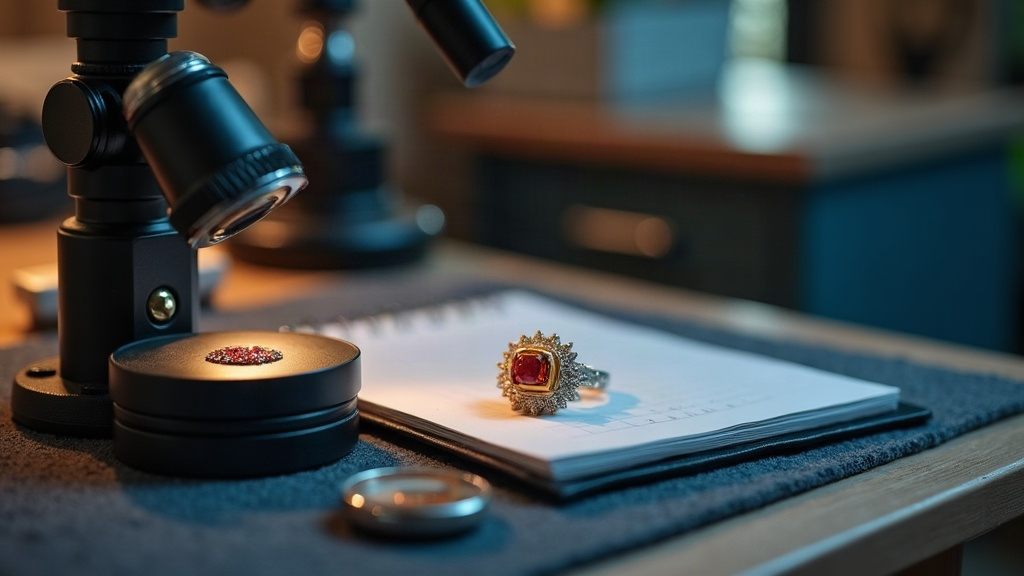
Whether a gemstone has been heated, dyed, fracture-filled, or left completely natural can change its pawn value by hundreds or even thousands of dollars. Treated stones aren’t worthless, but a knowledgeable appraiser has to account for the treatment before making an offer, and that adjustment is exactly what separates an accurate valuation from a disappointing one. If you’re weighing whether to bring a ring, pendant, or loose stone in for luxury jewelry pawn Miami FL shoppers and sellers alike ask about, understanding gemstone treatments upfront will help you know what to expect before you ever walk through the door.
This applies just as much here in Queens as anywhere else. Whether you’re local to our neighborhood or searching for guidance while comparing options in a market like Miami, the fundamentals of how treatments affect value are universal.
Why Gemstone Treatments Matter for Pawn Value
Nearly every colored gemstone on the market today has been treated in some way. Treatments are industry-standard and not inherently a red flag, but they directly affect rarity, durability, and long-term value. A pawnbroker has to identify what’s been done to a stone before quoting a loan amount or purchase price.
Untreated stones of fine quality are increasingly rare and command a premium. Treated stones are more common, more affordable to produce, and consequently worth less on the resale and loan market. The gap between an untreated ruby and a heavily treated one of similar size and color can be dramatic.
How This Plays Out at the Counter
When you bring in a piece for a loan or sale, an appraiser examines the stone under magnification, checks for telltale treatment signs, and factors that into the offer. This isn’t about penalizing you unfairly — it’s about giving an honest number based on what the stone will realistically resell for.
- Untreated stones typically receive higher loan-to-value offers
- Common treatments (like heat) have a smaller impact than more invasive ones
- Documentation or certification can support a stronger appraisal
- Treatment type affects durability, which matters for resale condition
Common Gemstone Treatments and Their Impact on Value
Not all treatments are created equal. Some are barely noticeable in terms of value loss; others can cut a stone’s worth significantly. Here’s how the most common ones typically affect appraisals.
Heat Treatment
Heating is the most widely accepted treatment in the gem trade, especially for sapphires and rubies. It improves color and clarity and is considered standard practice, so the value impact is relatively modest compared to more aggressive treatments.
Fracture Filling
Filling cracks with glass or resin (common in rubies and some diamonds) hides imperfections but weakens the stone’s structural integrity. Because filled stones can be damaged by heat, ultrasonic cleaning, or even normal wear, they carry a noticeably lower value than untreated or heat-only stones.
Dyeing
Dyeing is common in stones like jade, chalcedony, and some pearls. It can fade or wear off over time, which makes dyed stones less desirable for long-term investment and typically results in a lower offer.
Irradiation
Used to intensify color in stones like topaz and some diamonds, irradiation is generally stable but still distinguishes the stone from a naturally colored counterpart. Buyers and appraisers value irradiated stones below their natural-color equivalents.
Clarity Enhancement in Diamonds
Laser drilling and fracture filling are also used on diamonds to improve apparent clarity. These treatments can make a lower-clarity diamond look better to the naked eye, but they reduce resale value and require careful handling, since some fillings are not heat-stable.
| Treatment Type | Typical Value Impact |
|---|---|
| Heat Treatment (sapphire, ruby) | Minor to moderate reduction |
| Fracture Filling | Significant reduction |
| Dyeing | Moderate to significant reduction |
| Irradiation | Moderate reduction |
| Clarity Enhancement (diamonds) | Moderate to significant reduction |
How Appraisers Detect Treatments
You don’t need to disclose every detail about a stone’s history for it to be appraised fairly, but honesty helps speed up the process. Experienced appraisers use a combination of tools and techniques to identify treatments even when sellers aren’t sure themselves.
- Magnification to spot filled fractures, gas bubbles, or dye concentration
- Loupe and microscope inspection for surface-reaching inclusions
- UV light examination to reveal certain treatments and synthetic materials
- Comparison against known characteristics of natural versus treated stones
- Review of any accompanying certification or lab reports
Why Certification Helps
If you have a grading report from a recognized gemological lab, bring it. Certification that confirms a stone is untreated — or clearly states what treatment was used — removes guesswork and often results in a more confident, accurate offer. Without paperwork, the appraiser relies on visual and instrumental evidence, which is still reliable but takes a bit more time.
Does a Treated Stone Still Have Pawn Value?
Absolutely. Treated stones are pawned and sold every day, and a knowledgeable shop will still make a fair loan offer based on the piece’s total value — metal weight, craftsmanship, brand, and stone quality all factor in together. A treated sapphire in a well-made gold setting can still be worth a solid loan even if the stone alone wouldn’t fetch a premium.
The key is transparency. When you understand that treatment affects the number, you’re less likely to be surprised, and more likely to walk away feeling like you got a fair deal. If you’re bringing in a ring, bracelet, or loose stone, our luxury jewelry pawn service evaluates every piece individually rather than applying a flat rate based on carat weight alone.
What Affects Value Alongside Treatment
- Precious metal type and weight (gold, platinum, silver)
- Overall craftsmanship and designer or brand recognition
- Stone size, cut quality, and color grade
- Condition — scratches, loose settings, or damage
- Current market demand for that gemstone type
Diamonds Deserve Special Attention
Diamonds are treated far less often than colored gemstones, but when they are — through laser drilling, high-pressure high-temperature (HPHT) processing, or fracture filling — the value impact can be substantial. Because diamonds are graded on such a precise scale, even a slight clarity enhancement changes where a stone falls on that scale once evaluated honestly.
If you’re considering a loan against a diamond ring, loose stone, or diamond-set piece, it helps to have any GIA or AGS paperwork on hand. Our diamond pawn service can walk you through how a stone’s characteristics, including any treatment history, factor into your offer.
Tips for Getting the Most Accurate Offer
A little preparation goes a long way when you’re bringing gemstone jewelry in for a loan or sale. These steps help ensure the appraisal reflects the piece’s true worth.
- Bring any certificates, appraisals, or original purchase receipts
- Disclose known treatments if you’re aware of them
- Keep pieces clean so inclusions and color are easier to evaluate
- Ask the appraiser to explain how they arrived at the offer
- Don’t assume a treated stone is worthless — ask for a full evaluation
It’s also worth understanding the difference between pawning and outright selling before you decide which route fits your situation. If you’re weighing the two, our guide on pawning versus selling jewelry breaks down how each option affects the amount you walk away with and what happens to the item afterward.
Bringing In Gold, Silver, and Other Jewelry Types
Gemstone treatment questions typically come up with colored stones and diamonds, but if your piece is valued primarily for its precious metal content, that’s assessed differently — largely by weight and purity rather than stone characteristics. If you have gold or silver jewelry, whether it includes stones or not, our gold and silver pawn service handles that evaluation separately from gemstone grading, so you get credit for both elements of the piece.
A Fair Appraisal Starts With the Right Questions
Gemstone treatments aren’t something to be nervous about — they’re simply part of the full picture an experienced appraiser considers. Knowing that heat treatment, fracture filling, dyeing, and clarity enhancement each carry a different impact on value helps you set realistic expectations before you ever bring a piece in.
Whether you’re local to Queens or comparing notes with what you’ve read about luxury jewelry pawn Miami FL shops offer, the same principles apply everywhere: transparency, proper tools, and an honest look at the whole piece — not just the stone — lead to the fairest offer. When you’re ready to have your jewelry evaluated, stop by Conduit Pawn Shop, check out our Google Business Profile for hours and directions, or explore our full range of services beforehand so you know what to expect at the counter.
Related Posts
Learn why handheld consoles pawn differently than home systems in Queens, from wear patterns to accessory needs, so you know what to expect before you visit.
Why Handheld Consoles Pawn Differently Than Home Systems in Queens
Learn how bundled accessories affect pawn offers for drones in Queens, from controllers and batteries to cases, so you can get a fairer appraisal.
How Bundled Accessories Affect Pawn Offers for Drones in Queens
Learn how weather sealing impacts a camera’s pawn value in Queens, what appraisers check, and how to protect your gear’s worth before you pawn it.
How Weather Sealing Affects a Camera’s Pawn Value in Queens
Learn how Factory Reset Protection affects Android phone pawn eligibility and the steps to clear it before bringing your device to a pawn shop.
How Factory Reset Protection Affects an Android Phone’s Pawn Eligibility
Do pawn shops buy iPhones? Yes — learn how trade-in credit compares to cash from pawning an older iPhone, and which option fits your needs best.
Do Pawn Shops Buy iPhones? Trade-In Programs vs. Pawning Compared
Learn why a pawn shop that buys luxury watches offers more for pieces with original boxes and papers, plus tips if you no longer have the documentation.
Why Original Boxes and Papers Matter for a Luxury Watch’s Pawn Value
Thinking about luxury jewelry pawn Miami FL and Queens options? Learn how brand reputation really affects your designer jewelry’s pawn value and offer.
How Brand Reputation Affects Pawn Value for Designer Jewelry
Learn how scrap gold weight is calculated after removing gemstones in Queens, including stone deductions, purity testing, and how final offers are determined.
How Scrap Gold Weight Is Calculated After Removing Gemstones in Queens
Can you pawn lab grown diamonds? Learn how cut, color, clarity, and carat weight shape your loan offer at Queens pawn shops before you walk in.
Can You Pawn Lab Grown Diamonds? How the Four Cs Affect Value
Need cash loans for bad credit in Queens? Learn how pawn loan renewals and extensions work, with no credit check and no impact on your credit score.