
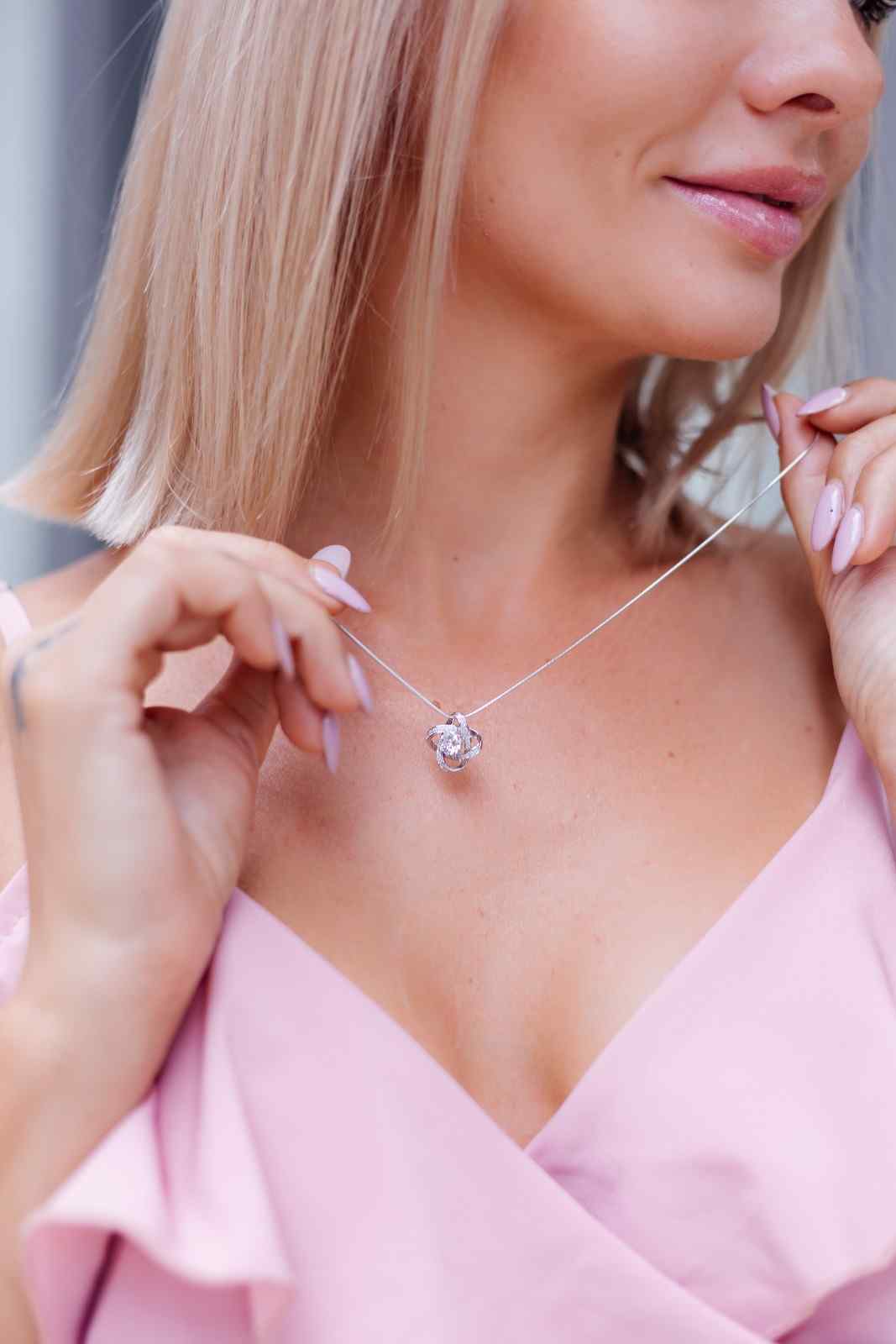
Why Diamonds Are a Popular Choice for Pawning in Queens
Diamonds have a unique place in the world of personal valuables. They’re small, durable, widely recognized, and often hold meaningful value—both sentimental and financial. When you need quick access to cash, a diamond can be one of the most straightforward items to leverage because it’s easy to store, easy to transport, and (when properly evaluated) relatively easy to price.
In a borough as busy and diverse as Queens, it’s common for people to look for practical, flexible financial options. That might mean bridging a short gap between paychecks, handling an unexpected expense, covering a car repair, or managing temporary cash flow while you’re waiting on another source of funds.
A pawn loan can be a useful tool in those moments because it’s secured by the item you bring in—your diamond jewelry, loose stones, or other diamond pieces—rather than relying on long credit applications or lengthy approval processes. The key is understanding how the process works, what affects a diamond’s value, and how to prepare so you can feel confident walking into a shop.
This guide is designed to be friendly, informative, and actionable—especially if you’re specifically searching for a diamond pawn shop in Queens and want to know what to expect.
What to Expect When You Visit a Diamond Pawn Shop in Queens
A good pawn experience is simple: you bring an item, the shop evaluates it, and you get a loan offer based on its value. If you accept the offer, you receive money and leave your item as collateral. Later, you repay the loan (plus any agreed fees/interest) to redeem your item.
That’s the big-picture overview. Here’s how it typically plays out in real life.
Step-by-Step: The Diamond Pawning Process
-
Bring your diamond item and a valid ID
Most pawn shops require government-issued identification. If you have paperwork (like a certificate), bring it—though it may not be required. -
The shop evaluates your diamond
Diamonds are typically evaluated based on a combination of physical inspection and gemological standards. Some shops may also test the metal if the diamond is set in jewelry (gold, platinum, etc.). -
You receive an offer
The offer is usually based on what the shop believes the item is worth in today’s market, and what they can safely lend while taking on risk. -
You choose: accept, negotiate, or walk away
You’re not required to accept an offer. It’s okay to ask questions and understand how the offer was calculated. -
If you accept, you sign the pawn agreement and get paid
Payment methods can vary by location, but many shops provide cash or another immediate payout option. -
Repayment and redemption
You repay within the agreed term to get your item back. If you don’t, the shop may have the right to keep and sell the collateral depending on the agreement.
Pawn vs. Selling: What’s the Difference?
People sometimes mix these up. The decision often depends on whether you want the diamond back.
- Pawn loan: You’re borrowing money and using the item as collateral. If you repay, you get your item back.
- Sell: You’re transferring ownership. You get paid, but you don’t get the item back.
If your diamond jewelry has sentimental value—an engagement ring, an heirloom, a gift—pawning can offer breathing room without giving it up permanently.
What Determines the Value of a Diamond at a Pawn Shop?
One of the most helpful things you can do is understand what factors actually affect the evaluation. Diamonds aren’t valued based on “what you paid for it” (especially at retail), but on what it’s worth in today’s resale market and the characteristics of the stone and setting.
The 4Cs (and Why They Matter)
Most diamond evaluations begin with the 4Cs:
- Cut: How well the diamond is proportioned and finished. Cut affects sparkle and desirability.
- Color: Diamonds are graded on a scale (typically from colorless to more noticeable color).
- Clarity: Refers to internal inclusions and surface blemishes.
- Carat: The diamond’s weight. Larger stones generally command higher value, though the other Cs still matter a lot.
Additional Factors That Can Increase (or Decrease) Your Offer
- Certification: A grading report from a reputable lab can help clarify what you have. If you have one, bring it.
- Shape and demand: Round diamonds tend to be widely popular, but fancy shapes can also be in demand depending on trends.
- Setting and metal type: If your diamond is set in gold or platinum, the metal adds value too.
- Condition: Chips, cracks, loose prongs, or worn settings can impact the offer.
- Market conditions: Diamond and precious metal markets shift over time.
A fair pawn shop should be able to explain the major reasons behind their evaluation in a way that’s easy to understand.
How to Prepare Before You Pawn a Diamond (Actionable Checklist)
Walking in prepared can help you feel more confident and may help the process go faster.
1) Do a Quick Inventory of What You Have
Make notes (even on your phone) about:
- Type of item: ring, pendant, earrings, loose diamond
- Any markings on the band (gold karat stamp like 14K, 18K; platinum stamps)
- Any documents: receipts, appraisals, certification
Even if you don’t have paperwork, it’s still okay. The goal is simply to arrive organized.
2) Clean the Item Gently (Without Risking Damage)
If your ring or jewelry piece is visibly dirty, a gentle cleaning can help it present better. Keep it simple:
- Warm water + mild dish soap + soft toothbrush
- Pat dry with a soft cloth
Avoid harsh chemicals or risky DIY methods. If something feels fragile (like a loose stone), skip cleaning and let the shop handle inspection safely.
3) Separate Sentimental Value from Loan Value
This part is important. A piece can be priceless to you, but the offer will be based on resale value and market demand. If you know you’ll feel uncomfortable leaving the item even temporarily, consider alternatives like pawning a different piece or using another asset.
4) Decide Your Goal: “Best Offer” or “Right Terms”
Sometimes the highest offer isn’t the only thing that matters. Loan terms, repayment flexibility, and clear communication can be equally important. Go in knowing what matters to you most.
Choosing the Right Shop: What to Look for in Queens
Searching for a pawn shop can feel overwhelming—especially when diamonds are involved. Here are practical, consumer-friendly signs you’re dealing with a reputable place.
Transparent Evaluation and Clear Explanations
A solid shop will explain, in plain language, what they’re looking at and why it matters. You don’t need a full gemology course, but you should walk away understanding the basics of how they arrived at an offer.
Straightforward Paperwork
Your pawn ticket/agreement should be clear about:
- Loan amount
- Fees/interest (as applicable)
- Loan term
- Redemption requirements
- Any extensions or renewal options (if available)
If anything feels vague, ask before signing.
Comfort and Professionalism
This is underrated. You should feel comfortable asking questions without being rushed. Diamonds can be high-value items, and a professional environment makes a difference.
Convenience: Location and Hours
When you’re dealing with time-sensitive needs, convenience matters. If you’ve ever searched diamond pawn shop near me, you already know how valuable it is to find a nearby option with clear directions and accessible hours.
Diamonds, Loans, and Real Life: Common Reasons People Pawn Diamond Jewelry
People pawn diamonds for all kinds of everyday reasons. Here are a few common scenarios—not as assumptions, but as examples that may feel familiar:
- Covering emergency medical or household expenses
- Bridging a short-term cash gap
- Paying for moving costs or a security deposit
- Handling car repairs or unexpected travel
- Managing seasonal income fluctuations (freelance, gig work, small business)
The point isn’t that pawning is the answer to every situation. It’s that it can be a practical option when you want speed and flexibility without a long approval process.
What to Bring (and What Not to Worry About)
Helpful Items to Bring
- Government-issued ID
- Your diamond item(s)
- Any certification or appraisal you already have
- Original box or packaging (optional)
- A list of questions you want to ask
What You Don’t Need to Stress Over
- Not having a receipt: Many people don’t.
- Not knowing the diamond specs: The shop can evaluate it.
- The item being older: Vintage pieces can still be valuable, especially if the stone and metal are quality.
Questions to Ask Before Accepting a Pawn Offer
A quick, confident Q&A can help you avoid misunderstandings. Consider asking:
- How did you evaluate the diamond’s characteristics?
- Does the setting (gold/platinum) factor into the offer?
- What are the repayment terms and due dates?
- Are there renewal or extension options?
- What happens if I can’t repay by the due date?
- Are there any additional fees I should know about?
If you’re visiting a diamond pawn shop in Queens, these questions help you compare options and choose what fits your needs—not just financially, but logistically.
How Diamond Jewelry Is Evaluated: Rings vs. Loose Stones
Diamonds can appear in different forms, and each comes with its own considerations.
Diamond Rings (Engagement Rings, Fashion Rings)
Rings are extremely common pawn items. Evaluation typically includes:
- The diamond’s characteristics
- The condition of the ring and prongs
- The metal type and weight
- The style (some styles are easier to resell than others)
If your diamond ring is set in gold or platinum, that can add meaningful value. However, the diamond itself often remains the primary factor.
Loose Diamonds
Loose diamonds can be simpler to evaluate because the stone is fully visible. If you have a loose diamond with documentation, bring it—it can speed up clarity on grading details. If not, the shop may still evaluate it through standard inspection methods.
Diamond Earrings, Pendants, and Bracelets
These pieces may contain:
- Matched stones (earrings)
- Multiple small diamonds (pavé)
- A combination of metal and stones
Multi-stone pieces can be valued differently than a single large center stone. It’s normal for the shop to focus on overall resale potential rather than adding up each tiny stone as if it were sold individually at retail.
Tips to Get the Best Experience (and Possibly a Better Offer)
While no one can guarantee a specific offer, these steps can help you present your item well and communicate clearly.
Be Honest About What You Know (and Don’t Know)
If you’re unsure whether a stone is natural or lab-grown, or if you don’t know the carat weight, just say so. A reputable shop will evaluate and explain.
Bring Multiple Items If You’re Flexible
If you have more than one item you’re willing to pawn, bringing options can help you choose the best fit. Sometimes one piece offers better value relative to what you’re comfortable leaving as collateral.
Don’t Be Afraid to Ask for Clarification
A pawn transaction should never feel like a mystery. The more you understand, the more comfortable you’ll feel.
Finding a Trusted Diamond Pawn Shop in Queens
If you’re looking for a local option, it helps to start with a shop that clearly specializes in evaluating valuables and communicating the process in a straightforward way.
For those exploring a diamond pawn shop in Queens, it’s worth choosing a place that’s comfortable handling diamond items, whether you’re pawning a ring, earrings, or a loose stone.
One local business to know is Conduit Pawn, which offers a practical starting point if you want to learn more about diamond pawning and what the process involves.
Understanding Pawn Loans: Planning for Repayment
Pawning a diamond is often about solving a short-term problem. The best-case scenario is one where you get the cash you need and comfortably redeem your item later. A little planning can make that much easier.
Set a Reminder Schedule
As soon as you pawn an item, set:
- A calendar reminder one week before the due date
- A second reminder a couple days before the due date
This is a simple step that can prevent last-minute stress.
Borrow What You Need—Not Automatically the Maximum
If the offer is higher than what you actually need, consider borrowing only what helps you solve the immediate issue. Keeping repayment manageable can make it easier to redeem your diamond on time.
Ask About Options if Your Situation Changes
Life happens. If you think repayment might be tight, talk to the shop early rather than waiting until the last minute. Understanding your options ahead of time helps you make better decisions.
Diamond Care Before and After Pawning
Diamonds are durable, but jewelry settings can be delicate. If you’re pawning a ring or bracelet, it’s worth taking a little care to avoid damage.
Before You Go
- Store the item in a small box or pouch
- Avoid tossing it loose in a bag where it can scratch other jewelry
- If the setting feels loose, mention it during evaluation
After You Redeem
Once you get your item back, consider:
- A quick inspection at home under good light
- Tightening prongs (if needed) with a jeweler
- Regular gentle cleaning to keep it sparkling
Common Myths About Pawning Diamonds (and What’s Actually True)
Myth 1: “Pawn shops only want big diamonds”
Not necessarily. While larger stones can bring higher offers, smaller diamonds and diamond jewelry can still be pawnable depending on quality, metal type, and demand.
Myth 2: “I need paperwork or I can’t pawn it”
Paperwork can help, but many people pawn items without it. Evaluation methods exist for that reason.
Myth 3: “If I pawn it, I’m definitely losing it”
A pawn loan is designed around redemption. If you repay according to the agreement, you get your item back.
Myth 4: “All offers are the same everywhere”
Offers can vary depending on evaluation approach, shop policies, and local resale demand. It’s smart to ask questions and choose the shop that feels clear and professional.
A Simple Action Plan for Your Next Visit
If you’re ready to move forward, here’s a quick plan you can follow:
- Decide whether you want to pawn or sell
- Gather your diamond item(s), ID, and any documents
- Clean gently (only if safe)
- Write down your questions
- Visit a shop you feel comfortable with and review the agreement carefully
- Set repayment reminders immediately after the transaction
If you’re specifically researching a diamond pawn shop in Queens, focusing on transparency, clarity, and professionalism can make the experience smoother and more predictable.
Know Your Terms, Protect Your Item, Stay in Control
Pawning a diamond doesn’t have to be intimidating. When you understand how valuation works, what to bring, and what questions to ask, you’re in a strong position to make a decision that fits your needs.
Queens is full of people juggling busy schedules and real-life expenses, and a diamond pawn loan can be one more tool in your financial toolkit—especially when you want a fast, collateral-based option without turning it into a long process.
Take your time, stay organized, and choose a shop that communicates clearly. That combination can turn what feels like a stressful moment into a practical, controlled transaction you can feel good about.
Related Posts
Learn why handheld consoles pawn differently than home systems in Queens, from wear patterns to accessory needs, so you know what to expect before you visit.
Why Handheld Consoles Pawn Differently Than Home Systems in Queens
Learn how bundled accessories affect pawn offers for drones in Queens, from controllers and batteries to cases, so you can get a fairer appraisal.
How Bundled Accessories Affect Pawn Offers for Drones in Queens
Learn how weather sealing impacts a camera’s pawn value in Queens, what appraisers check, and how to protect your gear’s worth before you pawn it.
How Weather Sealing Affects a Camera’s Pawn Value in Queens
Learn how Factory Reset Protection affects Android phone pawn eligibility and the steps to clear it before bringing your device to a pawn shop.
How Factory Reset Protection Affects an Android Phone’s Pawn Eligibility
Do pawn shops buy iPhones? Yes — learn how trade-in credit compares to cash from pawning an older iPhone, and which option fits your needs best.
Do Pawn Shops Buy iPhones? Trade-In Programs vs. Pawning Compared
Learn why a pawn shop that buys luxury watches offers more for pieces with original boxes and papers, plus tips if you no longer have the documentation.
Why Original Boxes and Papers Matter for a Luxury Watch’s Pawn Value
Thinking about luxury jewelry pawn Miami FL and Queens options? Learn how brand reputation really affects your designer jewelry’s pawn value and offer.
How Brand Reputation Affects Pawn Value for Designer Jewelry
Learn how scrap gold weight is calculated after removing gemstones in Queens, including stone deductions, purity testing, and how final offers are determined.
How Scrap Gold Weight Is Calculated After Removing Gemstones in Queens
Can you pawn lab grown diamonds? Learn how cut, color, clarity, and carat weight shape your loan offer at Queens pawn shops before you walk in.
Can You Pawn Lab Grown Diamonds? How the Four Cs Affect Value
Need cash loans for bad credit in Queens? Learn how pawn loan renewals and extensions work, with no credit check and no impact on your credit score.