
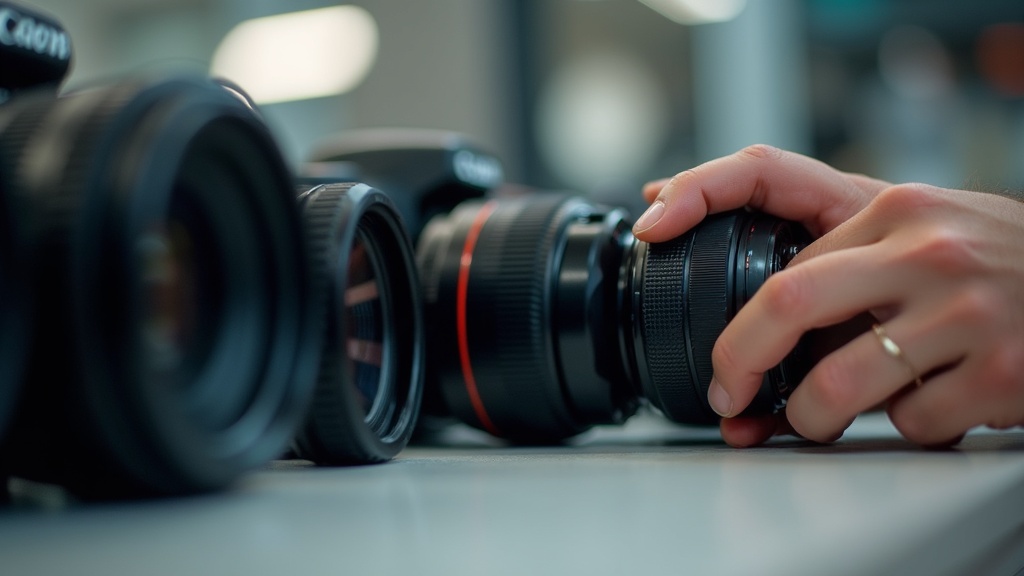
Full-frame camera bodies from Canon, Nikon and Sony hold value best, followed closely by professional-grade prime and zoom lenses with weather sealing, and mirrorless systems with active lens ecosystems. Medium format cameras and select vintage film bodies also resist depreciation unusually well. Consumer point-and-shoots, older DSLR kits with kit lenses, and discontinued proprietary systems tend to lose value fastest.
If you’re trying to figure out what your gear is actually worth — whether you’re upgrading, downsizing, or just need quick cash — understanding which equipment retains value helps you make smarter decisions about buying, selling, or using it as collateral. Here’s what actually holds up over time, based on how the resale and pawn market treats camera gear.
Why Some Camera Gear Holds Value and Other Gear Doesn’t
Camera equipment depreciates differently than most electronics because a large part of its value comes from optical quality and build durability, not just features. A lens made ten years ago can still produce excellent images today, while a phone from ten years ago is basically obsolete. That’s the core reason glass tends to outlast bodies in resale value.
Camera bodies depreciate faster because sensor technology, autofocus systems, and video specs keep improving. A new sensor generation can make a three-year-old body feel dated almost overnight. Lenses don’t have that problem — optical formulas stay relevant for decades unless a genuinely better design replaces them.
- Bodies: driven by sensor tech, autofocus, and video specs — faster depreciation
- Lenses: driven by optical design and build quality — slower depreciation
- Accessories (bags, straps, filters): minimal resale value regardless of brand
Lenses: The Best Long-Term Value in Any Camera Bag
Professional-grade lenses are consistently the strongest performers in the used and pawn market. Fast prime lenses and pro zooms — the kind built for working photographers — depreciate slowly because demand for them never really disappears.
What Makes a Lens Hold Value
- Wide maximum aperture (f/1.4, f/1.8, f/2.8) — these stay in demand for portraits, events, and low-light work
- Weather sealing — professional zooms built for outdoor and event work command higher resale prices
- Compatibility with current mounts — lenses that still work on a manufacturer’s newest bodies retain far more value than discontinued mounts
- Brand reputation — Canon L-series, Nikon S-line, and Sony G Master lenses consistently outperform third-party equivalents on resale
A 24-70mm f/2.8 or 70-200mm f/2.8 in good condition, for example, is almost always in demand because these are workhorse focal lengths for weddings, events, and portrait photographers. Even a decade-old version of these lenses still has real market value if it’s been properly maintained.
Camera Bodies: Full-Frame Beats Crop Sensor Long-Term
Full-frame mirrorless and DSLR bodies from major manufacturers hold value noticeably better than crop-sensor consumer models. Professional and enthusiast bodies also depreciate more gradually because they’re built to be used hard for years, not upgraded every cycle.
| Camera Type | Typical Resale Value Retention |
|---|---|
| Professional full-frame mirrorless/DSLR | Strong — holds 40-60% of original value for several years |
| Enthusiast full-frame | Moderate to strong, depends on release cycle timing |
| Crop-sensor consumer DSLR | Weak — rapid depreciation once newer models release |
| Basic point-and-shoot compacts | Very weak — often minimal resale demand |
Mirrorless systems from Sony, Canon and Nikon currently have the most active used markets because these are the systems camera makers are actively investing in. That ongoing investment keeps demand — and resale value — higher than it is for discontinued DSLR lines.
Medium Format and Vintage Film Cameras: A Different Kind of Value
Medium format digital backs and bodies from brands like Hasselblad and Fujifilm’s GFX line hold value exceptionally well because they serve a niche, high-paying professional market — commercial, fashion, and fine art photographers who need the extra resolution and dynamic range. These are expensive to begin with, but their resale floor tends to be higher relative to original price than mainstream full-frame gear.
Vintage mechanical film cameras are a separate story entirely. Classic bodies like certain Leica rangefinders, Nikon F-series bodies, and Hasselblad V-system cameras have seen renewed demand from collectors and film photography enthusiasts. Because these have no electronics to become obsolete, a well-maintained mechanical body can actually be worth more today than it was years ago.
What Depreciates Fastest
Some categories of camera gear lose value quickly and rarely recover it. Knowing what to avoid holding onto for resale purposes — or knowing not to expect much from it — saves frustration later.
- Kit lenses — the basic zoom lenses bundled with entry-level cameras have almost no resale demand on their own
- Entry-level point-and-shoots — largely replaced by smartphone cameras, these have a shrinking buyer pool
- Proprietary or discontinued lens mounts — once a manufacturer stops supporting a mount, lenses for it lose value fast
- Camcorders — consumer video cameras have been mostly displaced by mirrorless video and smartphones
- Older action cameras — rapid model cycles mean last year’s model often sells for a fraction of retail
Condition and Documentation Matter More Than People Think
Two identical camera models can have very different resale values depending on condition and what comes with them. Shutter count, sensor cleanliness, and cosmetic wear all factor into an appraisal, and having the original packaging, chargers, and documentation genuinely helps.
Factors That Improve Resale and Loan Value
- Low shutter count relative to the camera’s rated lifespan
- No fungus, haze, or scratches on lens elements
- Working autofocus and image stabilization
- Original box, caps, straps, and manuals
- Clean sensor with no dust spots visible in test shots
Serious photographers and collectors — and the buyers who eventually purchase this equipment secondhand — pay close attention to these details. A body with a low shutter count and clean glass will always appraise higher than a heavily used one, even if both are the same model and year.
How This Plays Out When You Pawn or Sell Camera Gear
When you’re deciding whether to pawn, sell, or hold onto camera equipment, the same value principles apply. Full-frame bodies, pro-grade lenses, and well-maintained gear from major brands typically qualify for stronger loan offers or resale prices than older, entry-level, or heavily worn equipment.
At Conduit Pawn Shop’s camera, lens, and camcorder pawn service, equipment is evaluated based on brand, model, condition, included accessories, and current market demand — the same factors that drive resale value everywhere else. That means bringing in a well-cared-for Canon or Sony body with its original lens kit will generally get you a better loan offer than an older point-and-shoot, even if the point-and-shoot cost more when it was new.
It’s also worth remembering that camera gear isn’t the only category where condition and brand reputation drive value. The same logic applies whether you’re weighing options on luxury watches or other collateral — well-documented, well-maintained, in-demand items simply perform better, whether you’re pawning for short-term cash or selling outright.
Practical Tips to Protect Your Camera Gear’s Value
A little care over the years makes a real difference when it’s time to sell or use equipment as collateral. These habits cost nothing but pay off later.
- Store lenses and bodies in a dry, temperature-stable environment to prevent fungus and corrosion
- Use lens caps and body caps consistently, even during short storage periods
- Clean sensors professionally rather than with makeshift tools
- Keep original boxes, manuals, and accessories together in one place
- Track shutter count if your camera model supports it, and avoid excessive unnecessary shutter cycles
- Update firmware to keep the camera compatible with current software and accessories
These small habits are the difference between gear that still commands a strong price years later and gear that’s essentially lost most of its worth. Photographers who treat their equipment as an investment, not just a tool, consistently get more back when it’s time to move on from it.
Bringing It All Together
If you’re weighing which camera gear to buy, keep, or eventually pawn, the pattern is consistent: full-frame bodies from major brands, professional-grade lenses with wide apertures and weather sealing, and well-documented medium format or vintage mechanical cameras all hold value far better than consumer-grade or discontinued equipment. Condition, accessories, and how well the gear has been maintained matter just as much as the brand name on the body.
Whether you’re a working photographer in Queens looking to free up some cash between gigs or simply curious what your current setup might be worth, it helps to know these details before you walk in anywhere. If you’d like a straightforward, no-pressure evaluation of your camera equipment, feel free to stop by, browse our full range of pawn services, or check our Google Business Profile for hours and directions. We’re happy to talk through your options whenever you’re ready.
Related Posts
Learn why handheld consoles pawn differently than home systems in Queens, from wear patterns to accessory needs, so you know what to expect before you visit.
Why Handheld Consoles Pawn Differently Than Home Systems in Queens
Learn how bundled accessories affect pawn offers for drones in Queens, from controllers and batteries to cases, so you can get a fairer appraisal.
How Bundled Accessories Affect Pawn Offers for Drones in Queens
Learn how weather sealing impacts a camera’s pawn value in Queens, what appraisers check, and how to protect your gear’s worth before you pawn it.
How Weather Sealing Affects a Camera’s Pawn Value in Queens
Learn how Factory Reset Protection affects Android phone pawn eligibility and the steps to clear it before bringing your device to a pawn shop.
How Factory Reset Protection Affects an Android Phone’s Pawn Eligibility
Do pawn shops buy iPhones? Yes — learn how trade-in credit compares to cash from pawning an older iPhone, and which option fits your needs best.
Do Pawn Shops Buy iPhones? Trade-In Programs vs. Pawning Compared
Learn why a pawn shop that buys luxury watches offers more for pieces with original boxes and papers, plus tips if you no longer have the documentation.
Why Original Boxes and Papers Matter for a Luxury Watch’s Pawn Value
Thinking about luxury jewelry pawn Miami FL and Queens options? Learn how brand reputation really affects your designer jewelry’s pawn value and offer.
How Brand Reputation Affects Pawn Value for Designer Jewelry
Learn how scrap gold weight is calculated after removing gemstones in Queens, including stone deductions, purity testing, and how final offers are determined.
How Scrap Gold Weight Is Calculated After Removing Gemstones in Queens
Can you pawn lab grown diamonds? Learn how cut, color, clarity, and carat weight shape your loan offer at Queens pawn shops before you walk in.
Can You Pawn Lab Grown Diamonds? How the Four Cs Affect Value
Need cash loans for bad credit in Queens? Learn how pawn loan renewals and extensions work, with no credit check and no impact on your credit score.