
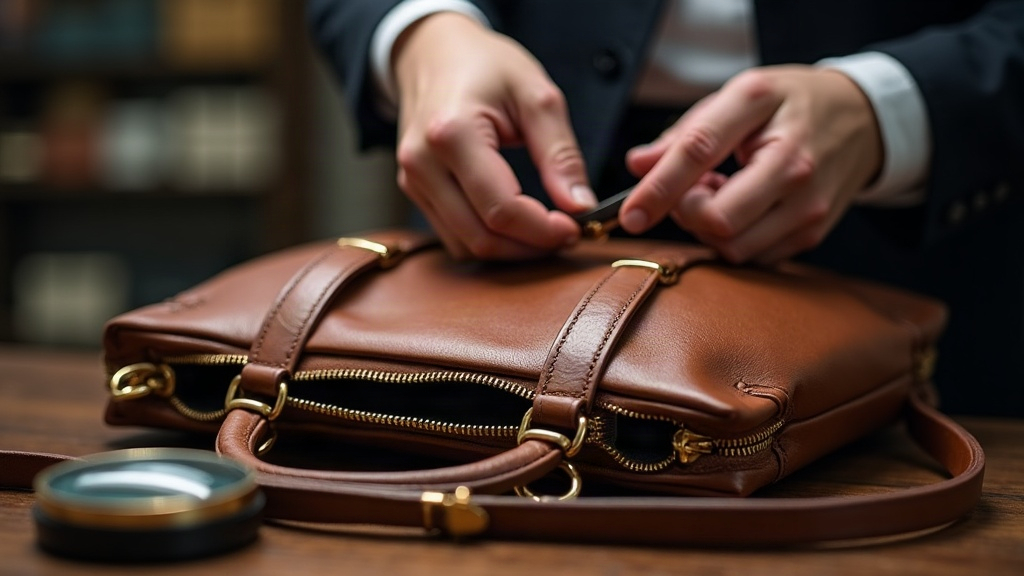
Zippers, clasps, buckles, and studs tell you more about a designer bag’s authenticity than almost anything else on the piece. Before you bring a handbag in to pawn, check the hardware closely: real designer hardware feels heavy, sits flush against the leather, and carries crisp, evenly stamped engravings. Fakes almost always give themselves away through lightweight metal, sloppy stamping, or hardware that wobbles and tarnishes quickly.
At Conduit Pawn Shop, we look at hardware first when evaluating a bag, because it’s one of the hardest details for counterfeiters to replicate convincingly. Knowing what to look for yourself means you’ll walk in with realistic expectations and a better sense of what your bag is actually worth.
Why Hardware Matters So Much in Authentication
Leather can be treated to look aged, stitching can be copied reasonably well, and logos can be printed with decent accuracy. Hardware is different. It requires specific metal alloys, precise molds, and plating processes that are expensive to reproduce correctly, which is exactly why it’s the first place any experienced evaluator looks.
- Weight and density: Authentic hardware uses solid brass, zinc alloy, or plated metals with real heft.
- Consistency: Every zipper pull, clasp, and buckle on a genuine bag matches in finish and tone.
- Engraving quality: Logos and text are cut cleanly, not stamped shallow or blurry.
Zippers: The First Thing to Check
Zippers take the most physical wear on a bag, so they’re a great early indicator of quality and authenticity. Most luxury houses use recognized zipper manufacturers, and the brand name or logo is often stamped directly onto the zipper pull or the slider itself.
What Genuine Zippers Look Like
- Smooth, effortless gliding with no snagging on the fabric or lining
- A branded stamp on the pull tab that’s crisp and centered
- Teeth that are evenly spaced and uniformly colored
- A pull tab that feels substantial, not thin or hollow
Warning Signs on Counterfeits
- Zippers that stick, catch fabric, or feel gritty when pulled
- Blank pull tabs or ones with a generic, unbranded look
- Visible glue residue around the zipper track
- Mismatched zipper color against the rest of the hardware
Clasps, Locks, and Turn-Locks
Front closures are a focal point of many designer bags and get inspected closely by anyone familiar with the brand. A misaligned lock, an off-color finish, or a closure that doesn’t snap shut with a confident click are all red flags.
Genuine locks and turn-clasps are usually engraved with the maker’s name, a serial number, or both, and that engraving should be sharp under close inspection. On many higher-end bags, the lock and key are numbered to match, and that pairing matters when documentation is available.
- Check that the clasp opens and closes with a firm, confident motion
- Look for engraving depth — shallow or fuzzy lettering is a concern
- Compare the metal tone of the lock to the rest of the bag’s hardware
- Confirm the clasp sits centered and symmetrical, not tilted
Studs, Feet, and Rivets
The small metal studs on the bottom of a bag, along with decorative rivets, are easy to overlook but hard to counterfeit well. Authentic studs are individually set, evenly spaced, and often slightly domed with a consistent finish.
On counterfeit bags, these details are frequently uneven in size, spaced inconsistently, or attached with visible glue rather than proper hardware fittings. Flip the bag over and run your fingers across the base studs; they should feel secure and identical to one another.
Finish and Plating: How to Judge Metal Quality
Authentic hardware is plated with gold, silver, palladium, or gunmetal finishes designed to resist tarnishing for years with normal use. Cheap plating wears through quickly, revealing a dull gray or brassy metal underneath within months.
| Authentic Hardware | Counterfeit Hardware |
|---|---|
| Even, consistent color across all pieces | Slight color variation between zippers, clasps, and studs |
| Plating holds up over years of use | Plating chips or fades within months |
| Heavy, substantial feel in the hand | Noticeably light or hollow-feeling metal |
| Smooth edges with no sharp seams | Visible mold lines or rough edges |
Hold the bag under good lighting and tilt it slightly. Genuine plating reflects light evenly, while cheaper finishes often show patchy or streaky reflections, especially near edges and corners.
Engravings and Stamping: Read the Fine Print
Nearly every reputable luxury brand stamps its hardware somewhere — on a zipper pull, a lock, a D-ring, or a buckle. These stamps typically include the brand name, sometimes a country of origin, and occasionally a date code or serial number.
- Font consistency: Letters should match the brand’s known typeface, with even spacing and depth
- Placement: Stamps sit in the same spot the brand consistently uses across its product lines
- Alignment: Text should be centered and level, not crooked or off to one side
- Legibility: Genuine stamps stay readable even after years of handling
Be cautious of stamps that look “almost right.” Counterfeiters often get close but miss small details like letter spacing, font weight, or the exact curve of a logo — differences that become obvious once you know to look for them.
Magnets, Screws, and Hidden Hardware
Some of the most telling hardware is hidden from casual view. Many designer bags use magnetic closures inside flaps, and the strength and placement of that magnet matters. A weak, off-center, or rattling magnet often points to a lower-quality build.
Screws holding straps or feet in place are another overlooked detail. Authentic screws are typically branded on the head, tightened flush, and consistent in size throughout the bag. Loose, mismatched, or unbranded screws are a common giveaway on counterfeit pieces.
How Hardware Condition Affects Pawn Value
Beyond authenticity, the physical condition of the hardware directly affects what a bag is worth. Scratched, tarnished, or replaced hardware lowers value even on a genuine bag, while well-maintained original hardware supports a stronger appraisal.
- Original, unaltered hardware is always valued higher than replaced parts
- Light surface scratches are normal and expected with use
- Heavy tarnishing or peeling plating suggests age or lower-quality metal
- Missing feet, broken zippers, or non-functioning clasps reduce offers noticeably
If you’re deciding between pawning a bag for a short-term loan or selling it outright, it helps to understand how each option works and what condition does to your offer either way. Our guide on pawning versus selling breaks down that decision in more detail, and the same principles largely apply to designer bags and accessories.
What to Bring When You Pawn a Designer Bag
Documentation speeds up the evaluation process and often supports a stronger offer, especially for higher-value pieces. It’s worth gathering what you have before your visit.
- Original receipt, box, or dust bag if available
- Authenticity cards or care booklets that came with the bag
- Any prior appraisal documents
- The bag itself, cleaned and free of loose items inside
Even without paperwork, a knowledgeable evaluator can typically authenticate a bag through hardware, stitching, lining, and construction details. Paperwork simply makes the process faster and can support a more confident valuation on the spot.
Common Designer Bag Brands We Evaluate
Queens shoppers bring in a wide range of designer bags, and hardware standards do vary somewhat by brand and by collection year. Some houses favor brushed gold-tone hardware, others use polished silver or gunmetal, and vintage pieces sometimes use different stamping conventions than current production.
That’s why experience matters when evaluating these details — knowing what’s normal for a specific brand and era versus what signals a problem. If you’re weighing your options for a designer piece, our page on pawning designer bags and fashion accessories outlines how our evaluation process works and what factors go into an offer.
Quick Self-Check Before You Head In
A short at-home inspection can help you feel more prepared before your appraisal appointment. Run through these basics first.
- Test every zipper for smooth movement, start to finish
- Open and close all clasps or locks several times
- Look closely at engravings with good lighting, using a phone camera zoom if needed
- Check the underside feet and rivets for consistency and secure attachment
- Compare the metal finish across all hardware pieces on the bag
None of this replaces a professional evaluation, but it gives you a realistic sense of your bag’s condition and helps the appraisal conversation move faster and more transparently.
Bring It In and Let Us Take a Closer Look
Hardware tells an honest story about a designer bag, and once you know what to check, you’ll never look at a zipper pull or turn-lock the same way again. Whether you’re pawning for quick cash or just curious what your bag is worth, a hands-on evaluation beats guessing every time.
Conduit Pawn Shop has been examining designer hardware, luxury jewelry, and everyday valuables for Queens-area customers for years, and we’re happy to walk you through exactly what we see during an appraisal. Stop by, bring your bag and any documentation you have, and get a straightforward read on its authenticity and value. You can also check out what past customers have said on our Google Business Profile before your visit.
Related Posts
Learn why handheld consoles pawn differently than home systems in Queens, from wear patterns to accessory needs, so you know what to expect before you visit.
Why Handheld Consoles Pawn Differently Than Home Systems in Queens
Learn how bundled accessories affect pawn offers for drones in Queens, from controllers and batteries to cases, so you can get a fairer appraisal.
How Bundled Accessories Affect Pawn Offers for Drones in Queens
Learn how weather sealing impacts a camera’s pawn value in Queens, what appraisers check, and how to protect your gear’s worth before you pawn it.
How Weather Sealing Affects a Camera’s Pawn Value in Queens
Learn how Factory Reset Protection affects Android phone pawn eligibility and the steps to clear it before bringing your device to a pawn shop.
How Factory Reset Protection Affects an Android Phone’s Pawn Eligibility
Do pawn shops buy iPhones? Yes — learn how trade-in credit compares to cash from pawning an older iPhone, and which option fits your needs best.
Do Pawn Shops Buy iPhones? Trade-In Programs vs. Pawning Compared
Learn why a pawn shop that buys luxury watches offers more for pieces with original boxes and papers, plus tips if you no longer have the documentation.
Why Original Boxes and Papers Matter for a Luxury Watch’s Pawn Value
Thinking about luxury jewelry pawn Miami FL and Queens options? Learn how brand reputation really affects your designer jewelry’s pawn value and offer.
How Brand Reputation Affects Pawn Value for Designer Jewelry
Learn how scrap gold weight is calculated after removing gemstones in Queens, including stone deductions, purity testing, and how final offers are determined.
How Scrap Gold Weight Is Calculated After Removing Gemstones in Queens
Can you pawn lab grown diamonds? Learn how cut, color, clarity, and carat weight shape your loan offer at Queens pawn shops before you walk in.
Can You Pawn Lab Grown Diamonds? How the Four Cs Affect Value
Need cash loans for bad credit in Queens? Learn how pawn loan renewals and extensions work, with no credit check and no impact on your credit score.